Explore our Novel Drug Pipeline

Large, durable-remission opportunity in RA (analyst estimates)
With millions affected by Rheumatoid Arthritis worldwide, HLADrvax seeks to address a critical gap in autoimmune care through a novel therapeutic platform focused on disease modification and prevention.
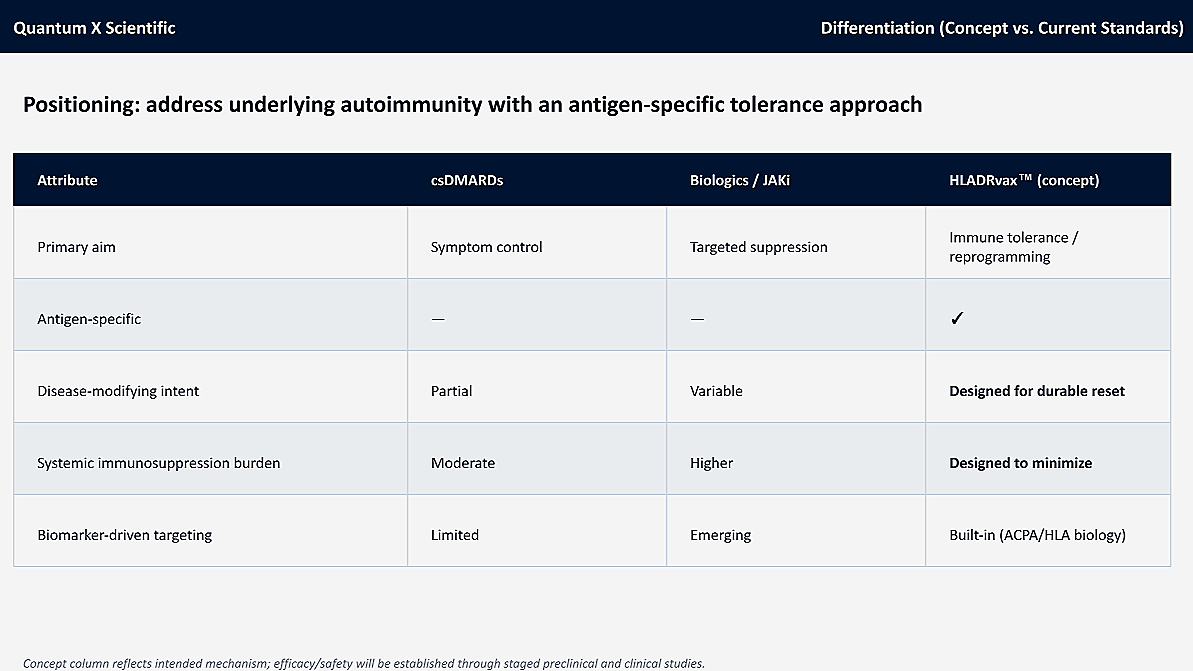
Whats HLADrvax
At Quantum X, we are redefining the future of autoimmune care with HLADrvax—a novel therapeutic solution designed to both treat early-stage Rheumatoid Arthritis (RA) and potentially prevent its onset.
Currently undergoing PHASE 2 Testing, HLADrvax leverages advanced biochemical and biological methodologies to address a critical unmet need in immunosuppressive disease treatment. Our innovative approach targets immune system regulation at its core, offering hope for millions affected by RA.
With HLADrvax, Quantum X is committed to closing the gap in autoimmune therapeutics—driving progress, promoting prevention, and improving lives. HLADrvax has surpassed successful preclinical trials- paving way for successful treatment approaches to deadly disease.
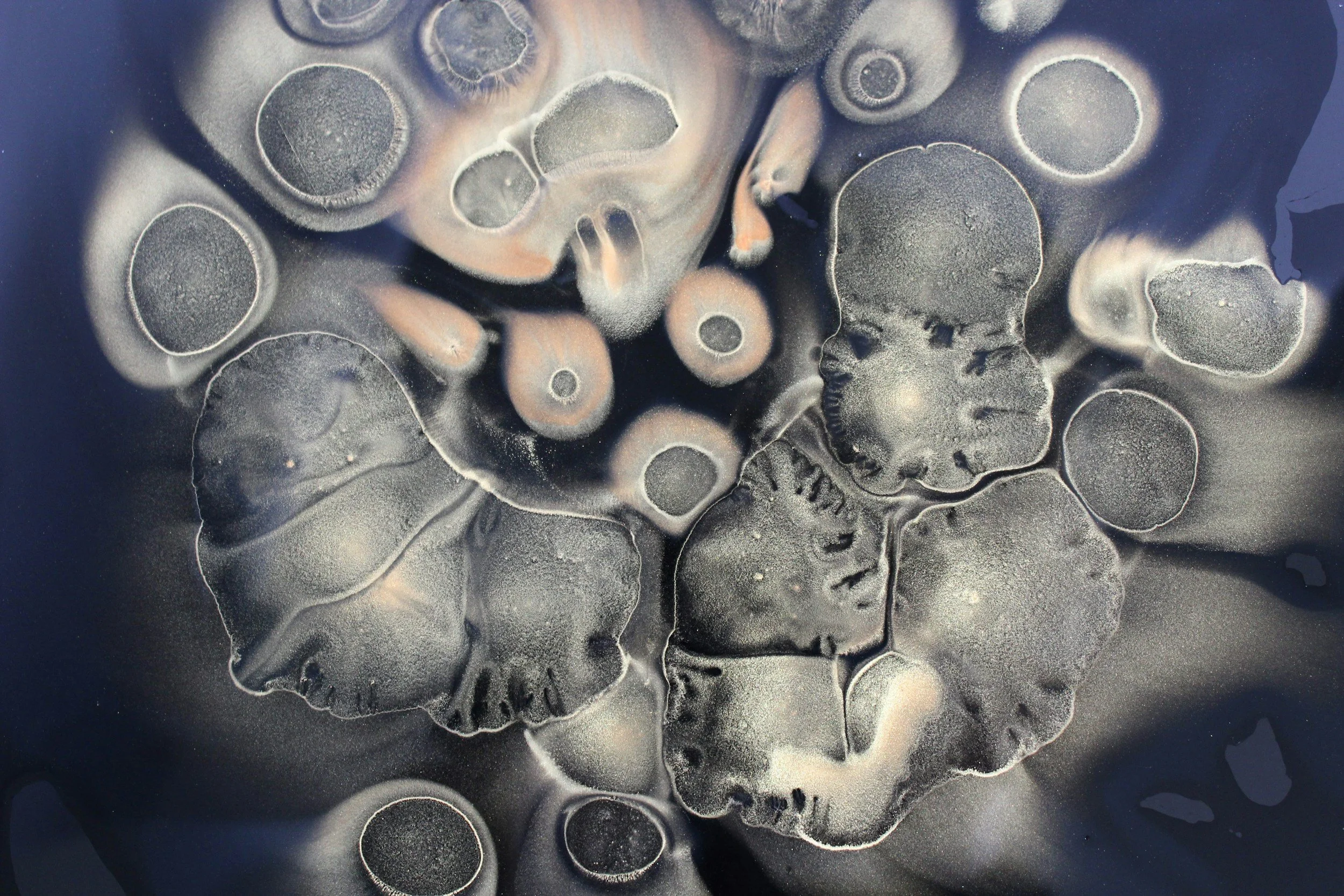
NeuroVax-MS™ is a precision immunotherapy for multiple sclerosis that aims to selectively recalibrate pathogenic immune responses while preserving protective immunity. It is built on a proprietary platform that enables specific modulation of autoreactive pathways implicated in demyelination.
NeuroVax-MS™

OncoVax-p53
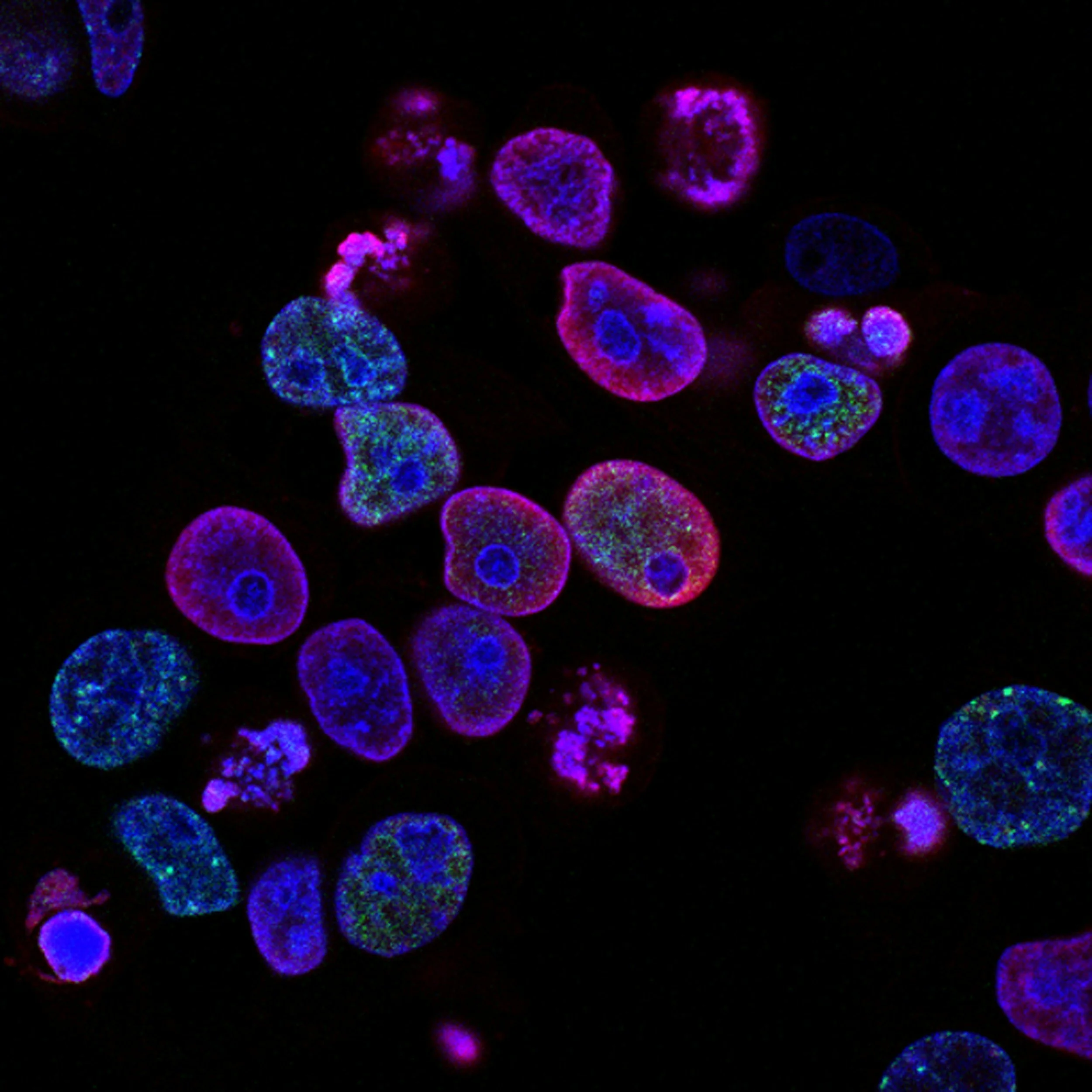
We present the design and preclinical validation of OncoVax-p53. Leveraging the nanoparticle delivery expertise of the HLADRvax™ nano-tech platform. OncoVax-p53 represents a scalable, broadly applicable immunotherapeutic strategy with the potential to benefit millions of cancer patients annually across a wide range of tumor types.
In vitro, OncoVax-p53 induces maturation of human DCs and activates p53-specific T-cell clones. In vivo, in a humanized HLA-A*02:01 transgenic mouse model, the vaccine elicits a strong, Th1-biased T-cell response capable of controlling the growth of p53-mutant tumors. Given the prevalence of p53 mutations, OncoVax-p53 represents a scalable, broadly applicable immunotherapeutic strategy with the potential to benefit millions of cancer patients annually across a wide range of tumor types.


Bio-Qubit Array 4
Quantum Supercomputing and Physicochemical Modeling

Quantum computing is approaching a turning point. While today's systems offer unprecedented computational power, they remain constrained by short coherence times, high error rates, and extreme hardware requirements. Bio-Qubit™ introduces a hybrid quantum architecture that combines biological molecular systems with photonic quantum technologies to create adaptive, resilient, and potentially self-maintaining quantum processors.
A New Class of Quantum Architecture
Bio-Qubit™ explores the concept of Bio-Qubit Arrays; engineered biological molecules coupled with photonic cavities and quantum control systems.
Bio-Qubit™ has the potential to transform multiple scientific and industrial fields through advanced quantum-enabled computation. In drug discovery and molecular design, it could accelerate the simulation of molecular interactions, protein folding processes, and therapeutic development, enabling researchers to identify promising drug candidates more efficiently. In the field of quantum artificial intelligence, Bio-Qubit™ could support the development of advanced hybrid quantum-AI architectures capable of powering next-generation machine learning systems with enhanced computational capabilities. Within biotechnology and precision medicine, the platform may facilitate quantum-enhanced biomarker discovery, systems biology modeling, and deeper analysis of complex biological networks, helping drive more personalized healthcare solutions. Additionally, in materials science, Bio-Qubit™ could enable high-fidelity quantum simulations of molecular and atomic structures, supporting the discovery and optimization of novel materials with applications across energy, manufacturing, electronics, and aerospace industries.